


Cleanliness Test Method for Aluminum Profiles Processed Components
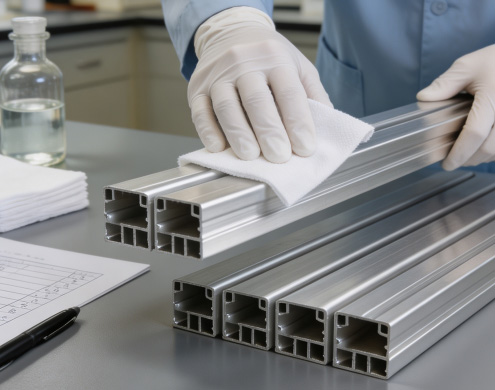
In the manufacturing world, the surface of an aluminum profiles is far more than what meets the eye. To industries as varied as automotive, aerospace, and construction, it is the foundational canvas that determines the success of subsequent processes like welding, painting, or coating. Ensuring the cleanliness of aluminum profiles through rigorous testing is not a minor quality control step; it is a critical investment in product integrity, durability, and cost efficiency.
Why Cleanliness in Aluminum Profiles Matters
During machining and handling, aluminum profiles are exposed to various contaminants. Coolants, lubricating oils, polishing compounds, and even fingerprints can settle on the surface. These seemingly minor residues can have major consequences:
· Compromised Adhesion: Contaminants are the primary cause of paint or coating delamination, premature corrosion under the finish, and defects in plated surfaces.
· Weakened Welds: For aluminum profiles destined for structural components, surface oils can lead to incomplete fusion and weak welds, necessitating costly rework.
· Electrical Failures: In electronic applications, residues can lead to diminished electrical performance and connection failures.
Aluminum Profiles Advanced Quantitative Testing Methods
For critical applications in aerospace, advanced automotive, or high-performance architecture, quantitative data is essential.
· Instrumental Cleanliness Measurement: Devices like surface cleanliness meters provide a numerical cleanliness value in percentage terms by measuring fluorescence. They can detect thin, invisible films of oil or coolant on aluminum profiles in under two minutes, offering objective, reproducible data.
· Contact Angle Measurement: This laboratory method quantifies surface energy by measuring the angle a water droplet forms on the surface. A smaller contact angle indicates better wettability and higher cleanliness, which is crucial for optimal paint adhesion.
· Specialized Analytical Techniques: For the most demanding sectors, techniques like Electrostatic Charge Decay can detect contamination and even microscopic changes in surface morphology that affect coating adhesion, going beyond mere chemical detection.
The universal need for reliable aluminum profiles makes cleanliness testing a cross-industry imperative. Renewable Energy: In solar panel frames, clean aluminum profiles ensure durable. Transportation: The automotive and aerospace advanced coatings that define modern, lightweight vehicles. Architecture: For curtain walls and architectural cladding, testing guarantees that anodized or painted finishes
For manufacturers and end-users of aluminum profiles, implementing a systematic, data-driven cleanliness testing protocol is the definitive way to mitigate risk, eliminate costly downstream failures, and build a reputation for unwavering quality.