


Exploring the selection of standard and non-standard aluminum profiles
The global aluminum industry is at a critical juncture. Driven by industries such as electric vehicles and artificial intelligence data centers, demand is surging, forcing manufacturers and engineers to make a crucial strategic choice: standard or non-standard aluminum profiles? This decision is not merely a technical matter, but directly impacts costs, delivery times, and the ability to innovate in a competitive market.The core difference between standard and non-standard aluminum profiles lies in their design and manufacturing philosophies: standardization versus personalization.
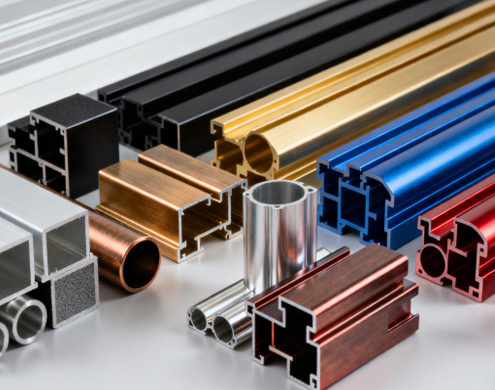
Standard aluminum profiles are the cornerstone of large-scale industry. They are mass-produced according to stringent domestic or international standards (such as Chinese standard GB/T or ISO 6363). The shape, dimensions, and mechanical properties of standard aluminum profile are predetermined, ensuring interchangeability, widespread availability, and the lowest possible cost. Standard profiles dominate applications requiring general functionality, such as in architectural windows, doors, and standard mechanical frames.
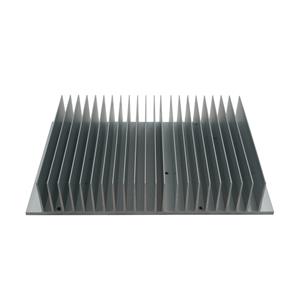
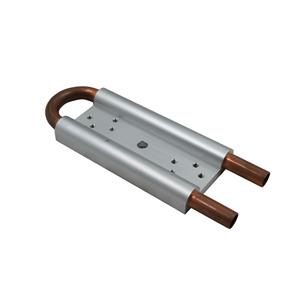
Non-standard (custom) aluminum profiles are designed for specific applications. They are designed from scratch to meet the user's specific needs, encompassing alloy composition, cross-sectional shape, dimensional accuracy, and performance. This approach fosters innovation, enabling component integration, weight reduction, and optimized performance for specific functions. However, non-standard aluminum profiles come with higher initial costs and longer lead times.
Choosing between standard and custom aluminum profiles is a strategic decision. Here are the key factors to consider:
When to Choose Standard Aluminum Profiles:
• Your design can be achieved using existing, categorized shapes.
• Project budget is the primary limiting factor.
• You need high-volume production and want to get to market in a very short time.
• The application does not have extremely high performance or precision requirements.
When Custom Aluminum Profiles are Required:
• This specification is an important part of your product's unique functionality, structural efficiency, or intellectual property.
• Existing standard aluminum profile specifications cannot meet critical performance, weight, or integration (e.g., multi-functionality) requirements.
• You are in a high-value industry, such as aerospace, medical, or high-end consumer electronics, where performance is more important than material cost.
Standard and non-standard aluminum profiles are not competitors, but rather complementary elements within the industrial ecosystem. Standard aluminum profiles provide a reliable and affordable foundation for the vast majority of the global economy. In contrast, non-standard aluminum profiles are engines of innovation, driving technological advancements in the world's most advanced industries.