


Why you need the Aluminum Profile System
In the world of architecture and design, few materials are as versatile and indispensable as aluminum. Specifically, aluminum framing systems have become an important cornerstone of modern architecture, industrial design and even consumer goods. So, what drives the widespread application of aluminum profiles? Let’s break down the reasons for this advantage and the various areas in which aluminum profile systems have a wide-ranging impact.
The move to aluminum frame systems was no accident. This transformation is driven by fundamental needs in contemporary engineering and design:
1. Pursue strength without sacrificing weight: Aluminum has the advantage of a high strength-to-weight ratio. Compared with steel, it is much lighter and easier to assemble, reducing the burden on the support structure and reducing transportation costs.
2. Pursuing durability and longevity: Aluminum will naturally form a protective oxide layer when in contact with air, making it highly resistant to corrosion and rust, and can be used in a variety of indoor and outdoor scenarios.
3. The need for design flexibility: Aluminum is extremely ductile and can be easily extruded into a variety of complex aluminum profile. This enables engineers and architects to create unique solutions for almost any project.
4. Sustainability and recyclability: In the current era of emphasis on green buildings, aluminum stands out. 100% recyclable without losing its inherent properties.
Key application areas of aluminum profile systems:
· Architectural glass and curtain walls: The skeleton structure and large windows of modern skyscrapers are almost made of aluminum, which has sufficient strength and is relatively lightweight.
· Glass railings and railings: Provide a clean, minimalist look for safety on balconies, stairs and decks.
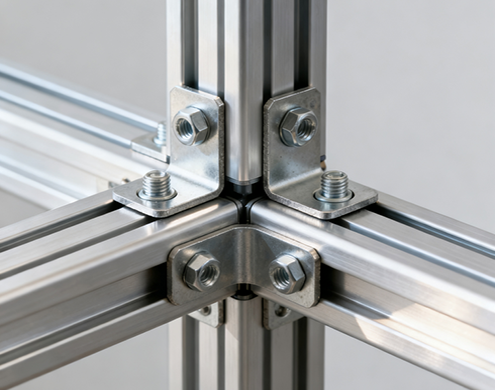
· Industrial frames: Used to build T-slot aluminum, etc., machine guardrails, workbenches, conveyor systems and safety cages.
· Solar panel mounting structure: lightweight and corrosion-resistant.
· Greening greenhouses and atriums: Creating large, transparent span structures.
· Commercial interiors: For partition walls, display systems and store fixtures.
· Transportation and Automotive: Used in vehicle frames, body structures and interior components to reduce overall weight and improve fuel efficiency.
· High-end consumer products: Covering modern furniture, lighting equipment, as well as high-performance ladders and outdoor products.
Aluminum’s unique properties – strength, lightness, durability and flexibility – make it an indispensable solution for creating structures and products that are resilient and efficient, while also being aesthetically pleasing. As sustainability and innovation continue to drive design forward, the role of aluminum profile will only become more important.